Tag: faith

  • Civil Disobedience and Conscience: A Modern Reflection

    Civil Disobedience and Conscience: A Modern Reflection

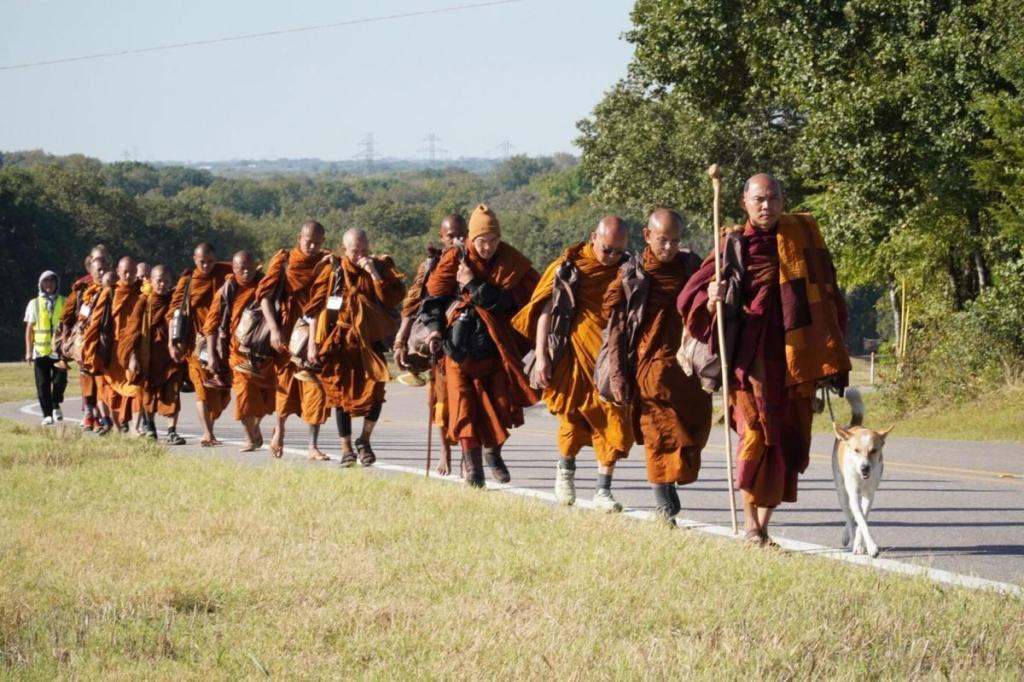
    I step out onto my little back porch – the dusk settling over the trees, the hush before voices rise. On this threshold between inside and out, I’m drawn to a stirring in my spirit. I remember a 19th-century man from Concord, MA who dared to question law and power. He did this by refusing to pay unjust taxes. His name was Henry David Thoreau. Henry was an American naturalist, essayist, poet, and philosopher. A leading transcendentalist, he is best known for his book Walden. It is a reflection upon simple living in natural surroundings. He is also renowned for his essay “Civil Disobedience,” which argues in favor of citizen disobedience against an unjust state.

    Thoreau believed that “that government is best which governs least.” He also thought that “that government which governs not at all” would eventually be true. He argued for the primacy of conscience over blind obedience. He saw that participating in injustice even by compliance has the ability to corrupt the soul. Thus, he refused to pay a poll tax that funded a government complicit in slavery and aggressive war.

    Many will gather this year on October 18, 2025 for No Kings Day. This day is a modern echo of Thoreau’s conviction that true freedom requires accountability. The movement asserts that power does not belong to monarchs or unchecked rulers. Power belongs to the people who live by conscience and community.

    On my porch, I sense the same quiet courage Thoreau once wrote about. It is the kind that begins not in crowds or slogans. It begins in silence. Resistance often starts with stillness. It is a whispered prayer. It is a question that refuses to be silenced. It is a heart that chooses what is right even when it is not easy.


    ✦ Then and Now, Side by Side

    AspectThoreau’s TimeOur Time
    InjusticeSlavery, unjust warsCivil rights, truth, equality
    ConscienceOne man in jail for refusing injusticeMany voices rising for justice
    CourageMoral resistancePeaceful action
    Spiritual focusIntegrity and truth before GodFaith and justice intertwined

    • Sit quietly tonight. Let the air around you settle.
    • Ask yourself: What authority shapes my choices? Where must I resist?
    • Pray for courage — not anger, but steady conviction.
    • Listen for the voice that calls you to act with peace, not pride.
    • Choose one small act that reflects integrity: a letter, a donation, a conversation, a prayer.

    🕊️ A Prayer for Courage and Conscience

    O God of justice and mercy,
    Let our voices, our breath, our small steps be part of Your work.
    Grant us the courage to stand when power grows unjust. Help us to resist with love, not hatred. We will yield our conscience to You alone.
    May we walk in freedom, grounded in truth and guided by peace.
    Amen.


    As we stand for justice and conscience, may we also stand for safety and peace. Civil disobedience, in its truest form, is never about destruction – it’s about devotion to what is right and human. When we act, may we do so with wisdom, empathy, and restraint. We should remember that the little eyes watching us learn from how we respond to the world.

    Our children will one day inherit the society we shape today. Let them see that courage can be kind. Let them see that conviction can coexist with compassion.


    Porch Question:

    How can your quiet courage become the light your children see and remember?


  • Finding Stillness: Inner Peace on My Back Porch

    Finding Stillness: Inner Peace on My Back Porch

    On my little back porch – The quiet moments come before the world fully wakes. The sunlight spilling gently across the floorboards. The leaves rustling, whispering their morning prayer. This porch has become a sacred space – a threshold between the outer world and the inner one.

    As I settle into that quiet space, I find myself drawn to the life and wisdom of St. Teresa of Ávila, a 16th-century nun, mystic, and reformer whose words still stir hearts centuries later. Teresa’s writings invite us to explore prayer. They also encourage us to delve into the deep interior life. It is that tender meeting place where our soul communes with God.


    In her masterpiece, The Interior Castle, St. Teresa describes the soul as a grand castle made of crystal. It is full of rooms that lead ever inward toward the center. This is the place where God dwells.

    She wrote that many people live only in the outer courtyards, busy and distracted, unaware of the beauty within. The spiritual journey, she said, involves moving deeper into those inner rooms. This is achieved through prayer, humility, and love. These practices help us rest in God’s presence at the very heart of our being.

    That image feels so close to what I experience on the porch. When I quiet my mind and let the noise settle, I can feel myself moving inward. I transition from thought, to breath, to stillness. This brings me closer to the One who loves me completely.


    St. Teresa also compared prayer to watering a garden. At first, she said, it takes effort – drawing water by hand, tending each plant carefully. But over time, as we grow in trust, the garden begins to water itself through rain – grace freely given.

    In her words:

    “The soul is like a garden, and the Lord delights to walk among its flowers.”

    Maybe our porch time is like that early watering. These are quiet moments when we show up weary or hopeful. We trust that something beautiful is being tended in us, even when we can’t yet see it blooming.


    🪷 How to Pray Like Teresa

    Here are a few simple ways to bring her spirit to your own porch:

    1. Begin with Stillness
    Sit quietly. Notice your breath. Let the outer rooms of your mind settle. You don’t need to do anything – just be present.

    2. Offer Humble Prayer
    Teresa reminds us that humility is the doorway to God’s love. Speak simply, as if to a dear friend. Tell Him your joys, your weariness, your longing.

    3. Rest in Silence
    After speaking, stay a moment longer. Don’t rush away. This is the heart of prayer – the space where words end and presence begins.


    Perhaps the porch – that small, humble space between inside and out – is a reflection of Teresa’s inner castle. It’s where heaven meets earth, where our busyness softens into prayer.

    Today, you don’t have to find perfection in your spiritual life. Just step into the next “room.” Move a little deeper into your own heart. Trust that God is already waiting there.


    Lord,
    Teach me to enter the quiet places of my heart.
    Help me to water the garden of my soul with gentle trust.
    May I meet You there in stillness and simplicity. Let me learn to rest in Your love. Teresa did this, faithful and free.
    Amen.


    Which “room” of your inner life are you being invited into today — stillness, trust, surrender, or joy?

  • The Power of Forgiveness: Healing Through Accountability

    The Power of Forgiveness: Healing Through Accountability

    Forgiveness is one of the hardest, most powerful gifts we can give. It asks us to soften where we’ve been hurt. It also calls the other person to face the impact of their actions.

    Sometimes we think forgiveness means “forgetting” or pretending it didn’t matter. But true forgiveness isn’t about excusing. It’s about naming the hurt honestly and then making space for healing on both sides.

    In relationships, forgiveness often works best when it’s paired with accountability. An apology can open the door, but reflection and change are what keep that door open. Growth happens when we pause long enough to ask: How did my words or actions affect someone else? What can I do to repair the harm and live differently going forward?

    Forgiveness doesn’t erase the past. It creates the possibility of a different future.


    Think about a time you’ve been hurt. Did the other person’s willingness to change impact your ability to forgive? How might accountability and compassion walk hand in hand in your own relationships?


    God, help me to be honest about what hurts, and courageous enough to forgive. Teach me how to hold others accountable with love. Help me keep my heart open to the possibility of growth for myself and for those around me. Amen.


    Where in your life right now could forgiveness open the door to growth?

  • Finding Peace in Uncertain Times

    Finding Peace in Uncertain Times

    It’s no secret that life in America feels unsettled right now. The news is heavy, conversations can quickly become divided, and many of us carry quiet worries about the future. It’s hard not to feel the tension.

    Even in seasons like this, there are places of steadiness we can return to. These include kindness, listening, and the simple act of being present with one another. These aren’t small things. They are bridges that help us move beyond the noise and back toward our shared humanity.

    Scripture reminds us of peace for those who walk in faith. It says, “Peace I leave with you; my peace I give you” (John 14:27). For all of us, peace can become a practice. No matter our background, we can choose calm when everything around us feels uncertain.

    The world around us can feel shaky. Slowing down is important. Choosing how we respond can be a quiet act of courage. A kind word, a pause before reacting, or even taking time away from screens to rest – these choices matter. They remind us that while we can’t control everything, we can nurture peace within ourselves and offer it to others.

    A Porch Reflection ✨

    When was the last time you felt truly steady – even for just a moment? What helped you feel that way, and how might you return to it this week?


    End your day by naming one way you showed kindness, however small.

    Take a break from headlines today. Step outside, notice the air, the light, the quiet.

    Before a conversation that might feel tense, pause and remind yourself: “This person has fears and hopes, just like me.”

    Some families and communities find it helpful to have a prayer bowl on the coffee table. They place it in a room where they gather to pray. Whenever someone asks for prayer, they write the request on a little piece of paper. They put the paper in the bowl. When it’s time for morning or evening prayer, each person can take a few slips of paper from the bowl. They read the requests. This is also a good way to remember people we don’t see every day. We can think of children in war zones. We should also consider victims of human trafficking.

    We may not solve every challenge in our nation overnight. Together, we can create circles of peace. And when those circles overlap – porch by porch, heart by heart – something steadier begins to grow.


  • Trusting God in Life’s Uncertainties

    Trusting God in Life’s Uncertainties

    Sometimes life doesn’t unfold in neat categories. Plans fall through, outcomes aren’t clear, and we’re left holding the tension of what feels uncertain. We often want answers in black or white, right or wrong, but much of life happens in the in-between.

    It’s in these gray spaces that God often does His deepest work. Proverbs 16:9 reminds us, “In their hearts humans plan their course, but the Lord establishes their steps.” When our plans change, it’s not always about success or failure. It’s not about being right or wrong. It’s about trusting God with the middle ground.

    Gratitude becomes the practice that steadies us here. It helps us notice that even in the half-formed, unplanned, or uncertain moments, there is still good. Gratitude doesn’t erase the hard. It helps us see God’s hand at work in the midst of it.


    A Porch Reflection ✨

    Think about a time when things didn’t go exactly right—or exactly wrong. Maybe it was simply different than you planned. With hindsight, can you see a blessing that came through the “middle ground”?

    Sometimes it’s not about labeling the moment—it’s about learning to hold it with open hands and a thankful heart.


    “Lord, teach me to let go of needing every answer to be black or white. Help me to rest in the gray places, trusting that You are guiding me even there. Grow in me a spirit of gratitude, so I can see Your presence in both the planned and the unexpected. Amen.”


    Where in your life right now do you feel caught between black and white? How does gratitude shift the way you see that space?

  • Celebrate World Gratitude Day: Embrace the Power of Thankfulness

    Celebrate World Gratitude Day: Embrace the Power of Thankfulness

    September 21st is World Gratitude Day – a beautiful reminder to pause and notice the blessings that fill our lives. Gratitude isn’t just a nice thought. It’s a practice that can strengthen our hearts. It can lighten our spirits. It can even deepen our faith.

    Science has confirmed what Scripture has long told us: giving thanks changes us. Studies show gratitude boosts mental health, eases stress, and even helps our bodies heal. But more than that, God’s Word invites us to “give thanks in all circumstances” (1 Thessalonians 5:18). Gratitude lifts our eyes from what’s missing and helps us see His goodness right here, right now.


    Simple Ways to Practice Gratitude Today 🌸

    ➡️ Write it down. Keep a gratitude journal or jot down three blessings each day.

    ➡️ Send a thank-you. Text, call or write a letter to someone who encouraged you. Be specific about how they touched your life.

    ➡️ Pause with purpose. Before meals, meetings, or bed, take a breath and name something you appreciate in that moment.

    ➡️ Spot the helpers. Even in stress, look for those who are trying to make things better.

    ➡️ Appreciate your body. Thank God for the way your body carries you, heals you, and enables you to embrace those you love.

    ➡️ Celebrate small joys. The morning sunrise, coffee with a friend, or a quiet moment on the porch – all are gifts worth noticing.


    Lord, thank You for the countless blessings You pour out each day. Teach me to see Your goodness in small things. Help me give thanks in both ease and trial. Let me carry a heart of gratitude that reflects Your love. Amen.


    ✨ Gratitude isn’t about ignoring struggles – it’s about holding them alongside the goodness that is always present. Let today be a gentle invitation to look around, notice the blessings, and give thanks.

  • Finding Joy in Your Spiritual Gifts: A Reflection on Mary and Martha

    Finding Joy in Your Spiritual Gifts: A Reflection on Mary and Martha

    Sometimes I smile when I read the story of Mary and Martha. Two sisters, both devoted to Jesus, but so very different in how they expressed their love for Him. Martha bustled around, working hard to prepare and serve. Mary sat at Jesus’ feet, soaking in His words.

    It’s easy to think one was “right” and one was “wrong.” But maybe the deeper lesson is that each of us has a different way of living out our devotion. Martha’s gift was service, hospitality, and care. Mary’s gift was presence, listening, and worship. Both loved Jesus, just in different ways.

    Not all of us are called to the same work, and that’s the beauty of it. Some of us love to bake bread or cook meals that nourish others. Some feel alive when teaching, guiding, or leading conversations. Others find joy in being the one who notices. They pray quietly and encourage with a text at just the right moment.

    Our culture often pressures us to compare – to think the loudest gift is the most important. But God delights in the quiet as much as the visible. The small prayer, the gentle kindness, the faithful service no one sees. All of it reflects His heart.


    A Gentle Reminder

    You don’t have to copy Mary or Martha. You simply have to be faithful with the gifts God has placed in you.

    • If you love to serve: your kitchen table can be an altar.
    • If you love to listen and pray: your quiet corner can be holy ground.
    • If you love to lead: your voice can guide others toward Christ.
    • If you love to create: your art, music, or craft can become worship.
    • If you love to encourage: your words can be a lifeline to weary hearts.

    Each of us brings something unique, and each gift is precious in His sight.


    Lord, thank You for the reminder that our gifts don’t need to look like anyone else. Teach us to celebrate the gifts You’ve given us, and to honor the gifts that we see in others. May we, like Mary and Martha, welcome You into our homes and hearts in the ways You’ve made us. Amen.


    🌿 As I sit on the porch today, I picture Mary quietly listening. I see Martha bustling with care. I realize the Church needs both. And it needs you too with the gifts God has entrusted to you, however ordinary they seem.


  • Lessons from John the Baptist: Living with Purpose

    Lessons from John the Baptist: Living with Purpose

    John the Baptist was not polished, popular, or powerful by the world’s standards. He lived simply in the wilderness, wore rough clothing, and preached a message many did not want to hear.
    Yet Jesus said of him, “Among those born of women there has not risen anyone greater than John the Baptist” (Matthew 11:11).

    So what can we, as modern disciples, learn from John?
    How can we imitate his way of life while living in our everyday world?

    Point to Jesus, Not Ourselves

    When crowds gathered around John, he reminded them, “I am not the Messiah.” His mission was always to point people toward Christ. We imitate him when we live in a way that gives God the glory. Our words can reflect this. Our choices and even our struggles can too.
    When someone praises you for your kindness, work, or strength, you can simply say, “I’m grateful.” You can explain that God has helped you through so much. It doesn’t mean preaching a sermon, but gently shifting the focus to Christ.


    Live Simply

    John lived with little. His simplicity freed him to focus on God’s call. We don’t have to wear camel’s hair. We can choose contentment and avoid excess. Remember that our true security isn’t found in possessions but in Christ.
    Practice contentment by simplifying your home or schedule. Maybe it’s choosing not to buy every new gadget, or carving out quiet evenings without screens. Simplicity frees your heart to notice God.


    Speak Truth with Courage

    John boldly preached repentance, even when it cost him. In our own lives, we can speak the truth in love. We can do this by standing for integrity at work. It also means being honest in relationships or gently offering God’s wisdom when others need it.
    At work, this might look like choosing honesty over going along with gossip. In family life, it could mean lovingly setting boundaries, even if it’s hard. Speaking truth doesn’t have to be loud – it can be quiet faithfulness.


    Prepare the Way for Christ

    John’s mission was to prepare people to meet Jesus. We can achieve this by making space for Christ in our own lives through prayer. Forgiveness and surrender are also ways we can do this. We should encourage others to seek Him, too.
    Make a difference in your circle by praying for friends. Be quick to forgive. Offer encouragement to someone who’s searching. Small acts of kindness can open the door for others to experience Christ.


    Practice Humility

    John said, “He must increase, but I must decrease” (John 3:30). His humility is a reminder that we’re not the Savior. Our role is simply to point to Him. Celebrate other’s success without comparison. Share credit freely at work. In your heart, keep asking, “Does this lift me up, or lift up Jesus?” That simple prayer keeps us grounded in humility.


    A Reflection for Us

    To imitate John the Baptist is not to retreat to the wilderness. It means living with the same spirit of humility, courage, and devotion in the midst of our daily lives. It means pointing people to Jesus, even in quiet ways. It means living simply and speaking truthfully. It means remembering that our lives are not about us – they are about Christ.


    Lord, help me to live with the boldness and humility of John the Baptist. Teach me to point others to You. Help me to live simply. Prepare the way for Christ in my heart and in my community. May my life be a lantern that shines toward Jesus, and not myself. Amen.


  • Finding Light in Darkness: The Power of Gratitude

    Finding Light in Darkness: The Power of Gratitude

    From the outside, life can look picture-perfect. Smiles for the camera. A clean, orderly home. The perfect pictures on social media. Work always done on time.The likes and followers suggest everything is going just right.

    But underneath, many of us carry quiet struggles. These are worries that never make it into a post. They are heartbreaks that can’t be captured in a story. Darkness often lingers in the unseen places of our lives. We have worries that don’t show up in the photos. We endure heartbreaks that can’t be seen in a passing conversation. Darkness often lingers in the unseen places of our lives.

    And yet, it is often in those hidden shadows that God meets us most tenderly.

    “Even the darkness will not be dark to You;
    the night will shine like the day,
    for darkness is as light to You.”

    — Psalm 139:12

    Joyce Meyer, a well-known Bible teacher and author, has shared openly about her painful past. She experienced abuse, brokenness, and years of inner turmoil. Even after becoming a Christian, she struggled with anger, shame, and fear. Yet through it all, she has often spoken about the practice of gratitude. She chooses to thank God in the middle of the mess. She discovered that gratitude changes perspective: it doesn’t always erase the darkness, but it reminds us of the Light.

    Mother Teresa was remembered for her radiant smile and tireless love for the poor. She carried an unseen heaviness of spirit for many years. Even when she felt distant from God, she continued her daily rhythms of prayer and service. Gratitude, for her, was often found in the smallest things. It was food for the hungry and the touch of a hand. It was the chance to serve “Jesus in disguise” in the poor.

    Their lives remind us that struggle does not mean failure. It is part of being human. And gratitude, even in darkness, can open our eyes to God’s nearness.

    Maybe your life looks fine on the outside. On the inside, you’re carrying questions, grief, or a weight that feels too heavy to name. You’re not alone. God does not turn away from the darkness within us; He enters it. He walks with us there.

    And sometimes, the simple act of giving thanks in the dark becomes a lantern of hope. Living gratitude looks different for everyone. A few ideas might look like:

    • Gratitude journaling: Write down 3 small things each day you’re thankful for. These can be simple pleasures like a warm cup of coffee. It could be the sound of rain or a text from a friend.
    • Breath prayers of thanks: Whisper “Thank You, Lord” as you breathe in and out, naming one gift in the moment.
    • Porch pause: Step outside, notice one piece of creation around you, and thank God for it.

    These small acts of gratitude don’t deny the darkness – they invite God’s light into it.

    Lord, You see the struggles I hide. You know the shadows I carry. Teach me to give thanks even here, in the middle of the night. Let gratitude become a lantern to guide me, until I see the fullness of Your light. Amen.

    As evening settles, the last light fades. I sit on the porch and watch as the stars start to glow. They were there all along, unseen in the brightness of day. Gratitude feels like that, too – reminding us of blessings we couldn’t see until the darkness fell. And perhaps that’s how it is with God. His light is never gone. It simply shines differently in our darkest hours. 🌙✨

  • Trusting Jesus for True Security

    Trusting Jesus for True Security

    When I look around at our world today, I see so much fear, division, and mistrust. For many, guns feel like security, like the only way to be safe in a world gone mad. But when I sit quietly with Jesus, I am reminded that He offers us a very different picture of peace.

    The prophet Isaiah spoke these words long ago:

    “He shall judge between the nations. He shall decide disputes for many peoples. They shall beat their swords into plowshares. Their spears shall become pruning hooks. Nation shall not lift up sword against nation. They shall not learn war anymore.”
    — Isaiah 2:4

    It’s a vision of a world no longer shaped by violence, but transformed by the presence of God. Tools of destruction are remade into tools for growth and life.

    I know the conversation about guns is complicated. People carry deep convictions, and I don’t pretend to have all the answers. But I believe Jesus calls us not into fear, but into faith. Not into grasping for control, but into trusting His protection. Not into arming ourselves for battle, but into laying down our weapons and lifting up our prayers.

    On the porch today, I imagine what our world would look like. What if we trusted Jesus enough to live into Isaiah’s vision? What if we spent less time stockpiling for safety, and more time sowing seeds of peace? What if our courage did not come from what we carry in our hands? Instead, what if it came from Who we carry in our hearts?

    Jesus told us, “Blessed are the peacemakers, for they shall be called children of God.” (Matthew 5:9). Peacemaking takes more bravery than violence ever will. It involves stepping out of the cycle of fear. We entrust ourselves to the One who conquered death not with a sword, but with a cross.

    Lord Jesus, You are the Prince of Peace. Teach us how to lay down our weapons. These weapons can be of any kind. Help us live as people of faith, not fear. Give us courage to be peacemakers in our homes, our communities, and our world. May Your kingdom come, where swords become plowshares and guns are no longer needed. Amen.